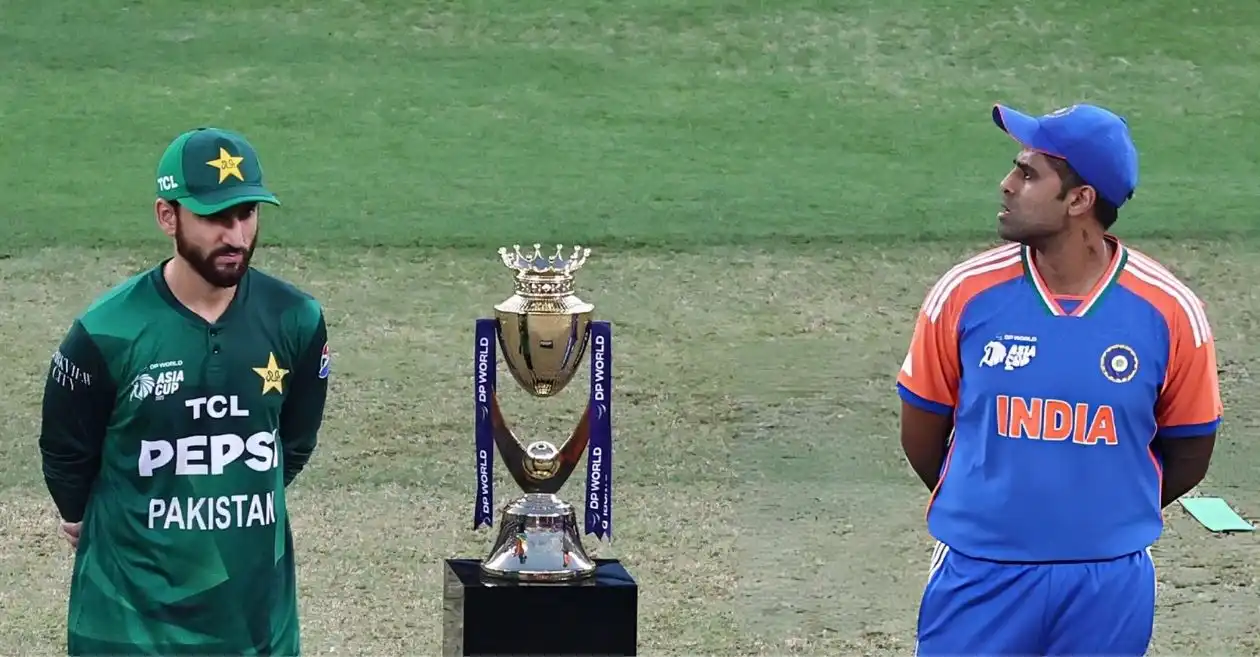

A high-stakes meeting in Lahore on Sunday could shape the immediate future of the ICC Men’s T20 World Cup 2026, with officials from the International Cricket Council (ICC) and the Pakistan Cricket Board (PCB) set to discuss Pakistan’s refusal to play their scheduled February 15 match against India. Adding another layer to the talks, Bangladesh have also been invited, with BCB president Aminul Islam expected to represent his board in what is being seen as a crucial tripartite conclave.
The talks, as reported by cricbuzz, come amid growing pressure on the PCB, which has found itself isolated after invoking the rarely used Force Majeure clause to justify its stance. ICC officials, who are reportedly en route to Lahore, have already rejected the legitimacy of that claim, pushing Pakistan into dialogue to avoid potential sanctions and significant financial fallout.
How Bangladesh became central to the controversy
Bangladesh’s presence at the table is not incidental. The controversy can be traced back to the Bangladesh Cricket Board (BCB) requesting a venue change for their men’s team earlier, citing safety concerns about playing in India. The ICC declined the request, leading to Scotland replacing Bangladesh in the tournament.
Pakistan then stepped in to back Bangladesh publicly, declaring that it would not play India in Colombo as a mark of solidarity. What initially appeared to be a symbolic gesture soon escalated into a major governance issue, threatening the smooth conduct of the World Cup.
Force Majeure gamble backfires on PCB
According to reports, Pakistan’s attempt to invoke Force Majeure proved to be a turning point. The ICC questioned whether the PCB had met the high evidentiary threshold required to justify non-participation, especially in a marquee fixture with enormous commercial value.
The governing body also highlighted that refusing to play a single match would violate the Members Participation Agreement, opening the door to financial penalties and broader disciplinary action. Faced with these realities, the PCB has now opted for negotiations rather than confrontation.
Sri Lanka voices strong objections
The standoff has not gone down well with Sri Lanka, the host nation for the India–Pakistan fixture. Sri Lankan officials have reportedly warned of heavy losses to tourism and hospitality if the match is boycotted, given its ability to draw global attention and fans.
Sri Lanka have also reminded Pakistan of a sensitive chapter in its own cricketing history, when international teams stayed away due to security concerns. During that period, Sri Lanka played a key role in helping Pakistan revive international cricket at home — a gesture that has now been cited as a reason for reciprocity.
Demands, negotiations, and what lies ahead
Unverified reports suggest the PCB may seek a larger share of ICC revenue, revival of bilateral cricket with India, and enforcement of handshake protocols. However, bilateral series fall outside the ICC’s jurisdiction, and on-field protocols remain voluntary, making the acceptability of these demands uncertain. Bangladesh, having been replaced in the tournament, could also push for compensation.
Also READ: Iceland cricket reveals why Pakistan will be the first team to exit T20 World Cup 2026
For latest cricket news & updates, visit CricketTimes.com.