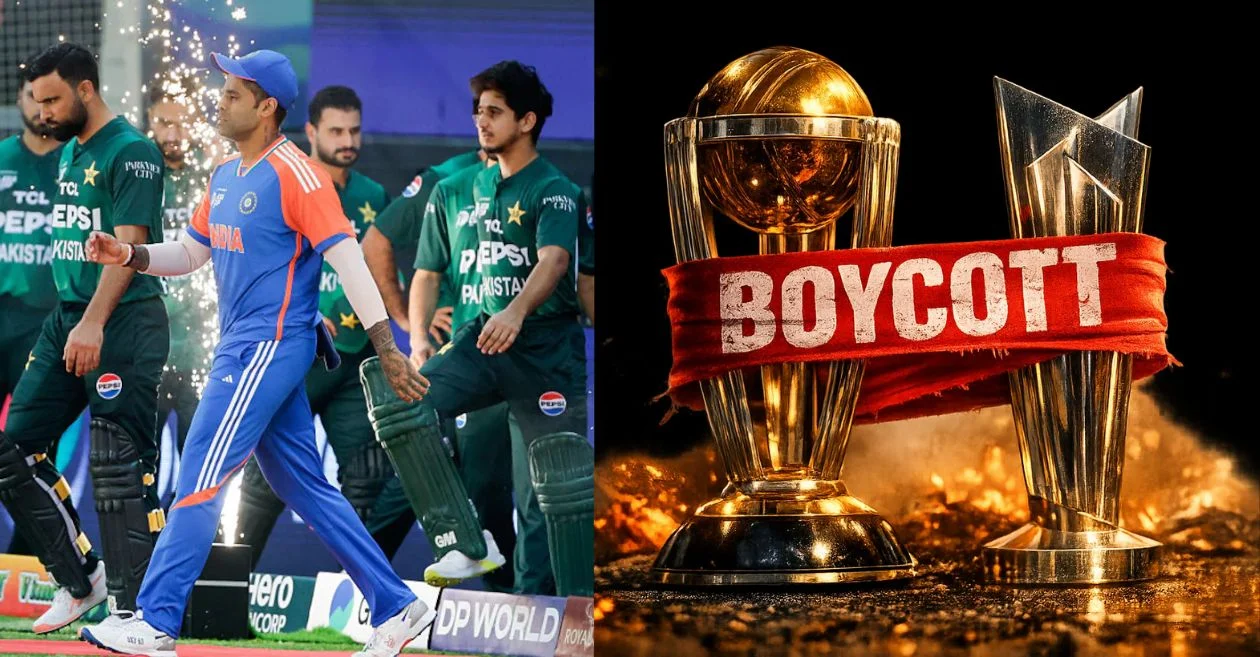

In an unprecedented and seismic shift in world cricket, the Government of Pakistan officially announced on February 1, 2026, that it will boycott the high-profile T20 World Cup 2026 clash against India. While the team has been cleared to compete in the rest of the tournament in Sri Lanka, they have been strictly ordered ‘not to take the field’ for the February 15 fixture in Colombo. This move, framed as a protest against the ICC’s removal of Bangladesh from the tournament, has pushed the ‘Mother of all Battles’ into a complete diplomatic freeze.
The Pakistan-India T20 World Cup 2026 boycott
The standoff began after the ICC replaced Bangladesh with Scotland in January 2026. Bangladesh had refused to play their matches in India citing security concerns, and Pakistan, standing in solidarity, decided to boycott the India fixture.
- The Directive: The official statement from the Government of Pakistan on X (formerly Twitter) reads: “The Pakistan Cricket Team shall not take the field in the match scheduled on 15th February 2026 against India.”
- The Penalty: India will receive an automatic walkover (2 points), while Pakistan faces potential expulsion from the tournament and the withholding of their $34.5 million ICC revenue share.
Also READ: T20 World Cup 2026: Ricky Ponting’s top picks for leading run-scorer and Player of the Tournament
Teams that have forfeited ICC event World Cup matches
When a team boycotts a World Cup match, it is a rare but tournament-altering event. Here are the four major instances where teams refused to play:
1. Australia vs Sri Lanka (1996 ODI World Cup)
Following a devastating central bank bombing in Colombo by the LTTE just weeks before the event, Australia cited ‘unacceptable’ security risks. Despite ICC’s assurances and a high-profile ‘solidarity match’ featuring an Indo-Pak joint team in Sri Lanka, the Aussies refused to travel.
- Impact: The match was forfeited; Sri Lanka gained 2 points without playing.
2. West Indies vs Sri Lanka (1996 ODI World Cup)
Mirroring Australia’s stance, the West Indies also declined to travel to Colombo, citing the same safety concerns. The ‘safety first’ approach by the big teams inadvertently fueled Sri Lanka’s momentum.
- Impact: Sri Lanka received a second walkover, helping them cruise to the Quarter-Finals and eventually win the World Cup.
3. England vs Zimbabwe (2003 ODI World Cup)
In a highly politicized boycott, England refused to play in Harare, Zimbabwe. While the official reason was ‘security,’ the move was driven by the UK government’s protest against the human rights record of the Robert Mugabe regime.
- Impact: Zimbabwe was awarded the points, a loss that led to England’s humiliating early exit from the tournament.
4. New Zealand vs Kenya (2003 ODI World Cup)
New Zealand refused to travel to Nairobi, Kenya, after receiving specific intelligence regarding a potential terrorist threat. They requested a venue change to South Africa, which the ICC denied.
- Impact: Kenya was awarded a walkover. These ‘free points’ were the primary catalyst for Kenya becoming the first (and only) non-Test nation to reach a World Cup Semi-Final.
Summary Table: World Cup Forfeitures
| Year | Boycotting Team | Opponent | Stated Reason |
|---|---|---|---|
| 1996 | Australia | Sri Lanka | Safety (LTTE Bombings) |
| 1996 | West Indies | Sri Lanka | Safety (Security Concerns) |
| 2003 | England | Zimbabwe | Political (Mugabe Regime) |
| 2003 | New Zealand | Kenya | Security (Terrorist Threat) |
| 2026 | Pakistan | India | ICC Governance/Bangladesh Row |
For latest cricket news & updates, visit CricketTimes.com.
![IPL 2026 [WATCH]: Rajat Patidar’s counter-attacking knock powers RCB past 200 against Rajasthan Royals](https://bd.mcwsports.com/wp-content/uploads/2026/04/IPL-2026-Rajat-Patidars-counter-attacking-knock-powers-RCB-past-200-against-Rajasthan-Royals-oUPc4Z-1080x657.webp)